
In-Person vs. Online Safety Training: 5 Critical Benefits
Hands-on safety training is more effective than online courses because it allows workers to practice physical skills under expert supervision, leading to higher knowledge retention. While online modules cover theory, in-person instruction builds the practical muscle memory essential for preventing real-world accidents and ensuring true workplace compliance.
Why is hands-on safety training better than online?
When it comes to keeping your crew safe, there is a massive difference between watching a video and actually gripping the controls of a heavy machine. Hands-on safety training bridges the gap between 'knowing' and 'doing.' In a classroom or on-site setting, an instructor can spot a mistake in real-time—like a worker not properly securing a harness—and correct it immediately. This instant feedback loop is something a pre-recorded video simply cannot provide.
For many business owners, the appeal of online training is convenience. However, convenience often comes at the cost of competence. In-person sessions encourage engagement. Workers can ask specific questions about the exact equipment they use every day, whether it is a unique warehouse layout or a specific model of machinery. This level of customization ensures that the training isn't just a generic box-ticking exercise but a relevant, life-saving lesson.
Retention is another major factor. Studies consistently show that 'learning by doing' sticks with the human brain much longer than passive observation. When an employee physically performs a Lock-Out / Tag-Out Certification procedure, they are training their nervous system, not just their memory. This makes them far more likely to follow safety protocols correctly months down the line when the pressure of a busy workday kicks in.
The critical gap in virtual learning modules
Virtual learning has its place for theoretical concepts, but it often fails in high-stakes industrial environments. The primary issue is the lack of physical context. A worker can pass a digital quiz on weight distribution without ever feeling how a forklift tilts when a load is off-balance. Without that physical sensation, the danger remains abstract rather than real.
Furthermore, online training lacks accountability. It is far too easy for an employee to multi-task or 'zone out' during a 45-minute video. In contrast, in-person training creates a culture of safety. When a group of workers trains together, they develop a shared language and shared standards. They look out for one another because they have all witnessed the same demonstrations and participated in the same drills.
How does practical experience reduce workplace accidents?
Practical experience reduces accidents by building confidence and reducing panic. When an emergency happens, the brain often defaults to its most recent 'physical' training. If that training was merely a slide deck, the response might be sluggish. If that training involved hands-on practice, the response is automatic.
Consider these five ways hands-on experience keeps your team safer:
- Equipment Familiarity : Workers learn the 'feel' of the controls and safety triggers.
- Immediate Correction : Instructors stop bad habits before they become permanent.
- Environmental Awareness : Training happens in the actual workspace where hazards exist.
- Peer Accountability : Employees watch each other and learn from collective mistakes.
- True Assessment : Instructors can physically verify that a worker is competent before signing off.
For specialized tasks like OSHA Forklift Certification , the ability to navigate tight corners and manage load heights under a pro's watchful eye is the only way to ensure they won't clip a rack or tip a vehicle on their first solo shift.
Real-world application for OSHA compliance
OSHA requirements aren't just about having a certificate on file; they are about maintaining a safe workplace. While the law allows for various training methods, the most robust compliance programs always favor a blended approach with a heavy emphasis on the 'hands-on' component. This is especially true for high-risk activities like working at heights.
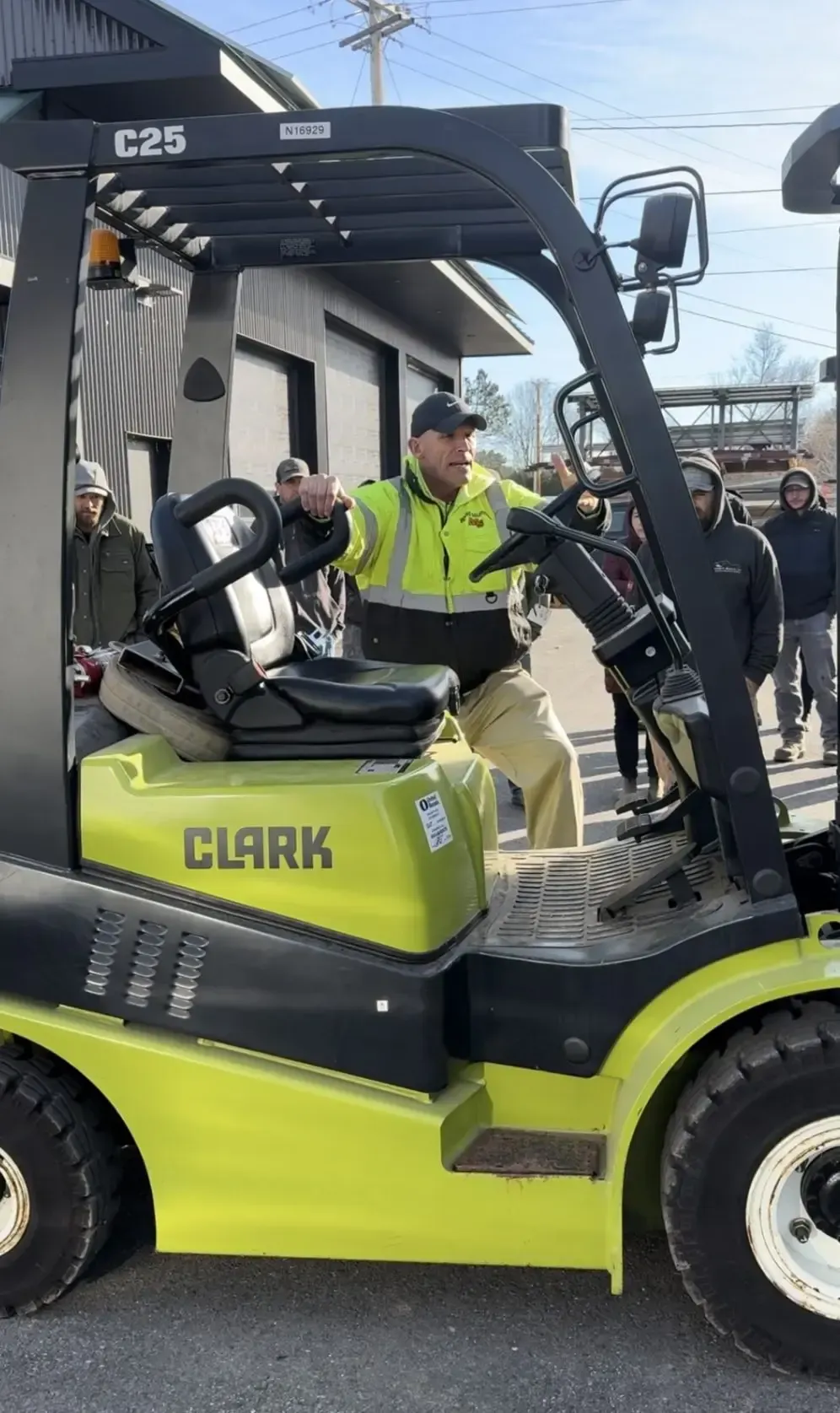
In our Fall Protection Training , we see it every day: a worker might know the 'rule' about anchor points, but seeing a demonstration of how a lanyard actually deploys changes their perspective on why that rule exists. It turns a 'hassle' into a 'lifeline.' This shift in mindset is what truly prevents fatalities and long-term injuries.
Why choose an expert training partner?
Choosing the right training partner means choosing someone who has seen it all. Since 1999, Motive Solutions LLC has certified over 50,000 employees. We don't just read from a manual; we bring decades of field experience to your facility. We understand the specific challenges faced by businesses in Maine, New Hampshire, and across New England. Our goal isn't just to get your team certified—it's to make sure every single person goes home safe at the end of their shift.
If you are ready to move beyond the screen and give your employees the high-quality, in-person training they deserve, it is time to take action. Investing in hands-on safety training today is the best way to protect your workers and your bottom line tomorrow.
Key Takeaways:
- Real-time instructor feedback prevents the development of dangerous habits.
- Physical practice builds muscle memory essential for emergency situations.
- In-person sessions foster a stronger company-wide safety culture.
Ready to get started? Contact Us today to schedule your on-site training session.
Recent Posts